

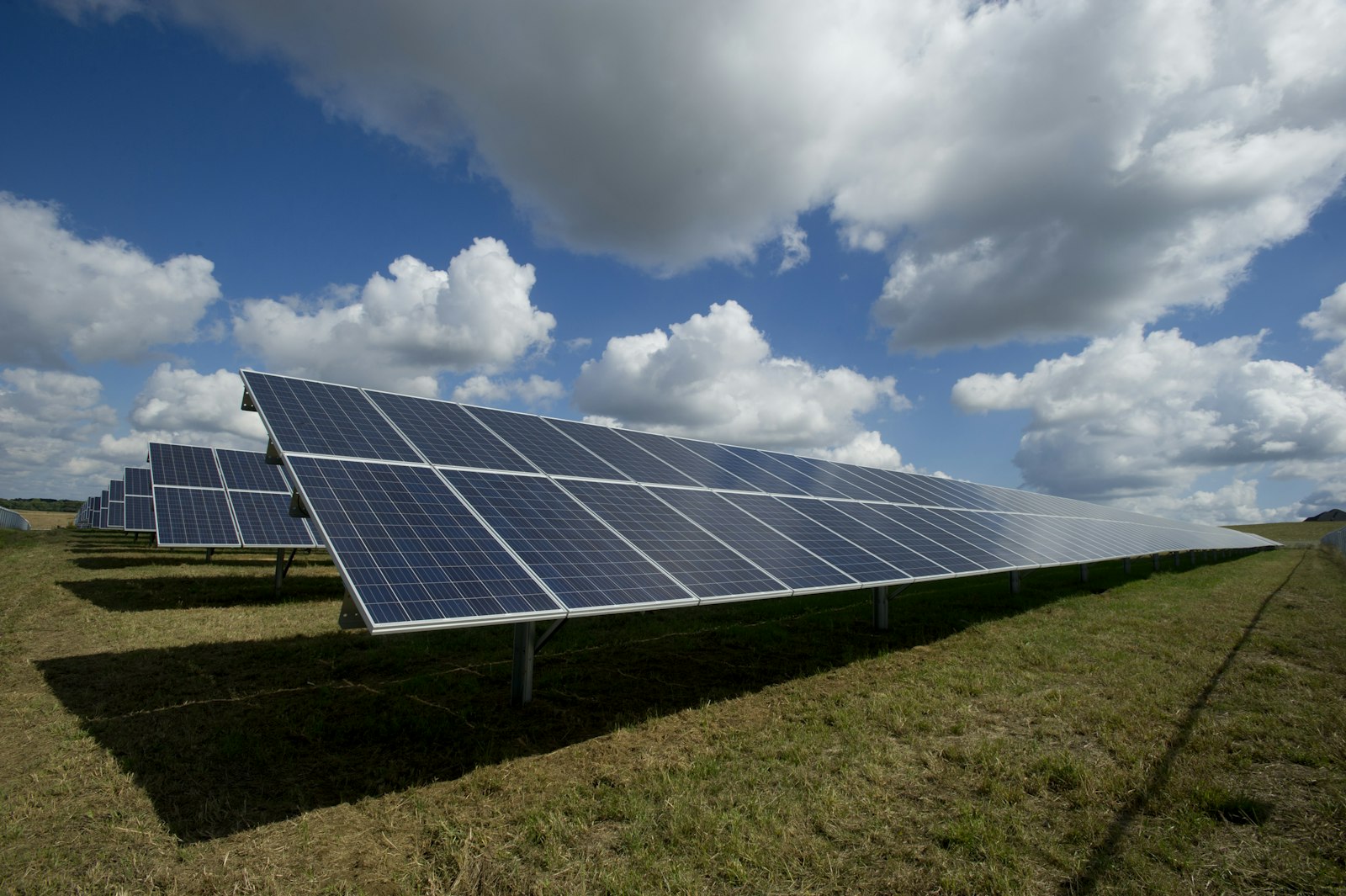
Demand for rooftop solar in India has grown strongly, supported by government schemes for residential rooftop solar. For solar installers and EPC companies, every customer journey involves many steps: enquiry, site survey, design, quotation, financing, subsidy applications, net metering, installation and commissioning. Tracking this in spreadsheets and WhatsApp quickly becomes chaotic.
The Solar Customer Journey
- Enquiry from ads, website, referrals or scheme portals.
- Qualification: roof type, electricity bill, sanctioned load, location.
- Site survey and shadow analysis.
- System design and quotation.
- Financing options.
- Application paperwork with the distribution company and scheme portal.
- Installation and inspection.
- Net metering and commissioning.
- Subsidy release, where applicable.
- After-sales service and maintenance.
CRM Features Solar Companies Need
Lead Capture and Qualification
Capture leads from all sources and record key details such as monthly bill and roof area to prioritise serious buyers.
Site Survey Scheduling
Assign surveys to field engineers, record measurements and photos from a mobile app.
Quotation Management
Generate quotations with system size, components and pricing, and track versions.
Document Collection
Track documents needed for applications: electricity bills, identity proof, property documents and bank details.
Stage Tracking
Custom pipeline stages that reflect your actual process, including application, inspection and subsidy status.
Follow-Up Reminders
Remind your team when applications are pending or customers need updates.
Service Tickets
Manage maintenance visits and complaints after installation.
Scheme Details Change
Subsidy amounts, eligibility and application processes for government schemes are updated from time to time. Always refer to the official portal for current rules, and keep your CRM's checklist updated accordingly.
"In solar, the sale is only halfway. Customers judge you on how smoothly the paperwork and installation go."
Reports
- Leads by source and conversion.
- Surveys completed and pending.
- Applications by status.
- Installations completed.
- Revenue pipeline.
Common Questions
How do we prioritise solar leads? Use qualification fields such as monthly electricity bill, roof type and area, ownership of the property and timeline. High bills and owned rooftops are usually stronger prospects for residential solar.
Can field engineers update survey details from the site? Yes. A mobile app lets engineers record measurements, photos and notes during the survey, which the design team can use immediately.
How do we keep customers informed during long approval periods? Automated updates at each stage, such as application submitted, inspection scheduled and net meter installed, reduce anxious calls and build trust.
Can the CRM handle commercial and industrial projects? Yes. Separate pipelines for residential and commercial projects let you track longer sales cycles, multiple decision makers and larger proposals.
What about maintenance after installation? Record each installation's system size, components and warranty details in the CRM, then schedule cleaning or inspection visits and log service tickets, so customers receive consistent after-sales support.
ITELLIC CRM
ITELLIC's CRM supports custom stages, lead capture, follow-up reminders, quotations, WhatsApp communication and customer support ticketing, making it suitable for multi-step sales like rooftop solar. Book a free demo.
CRM – Customer Relationship Management
Never lose a lead. Close more deals.