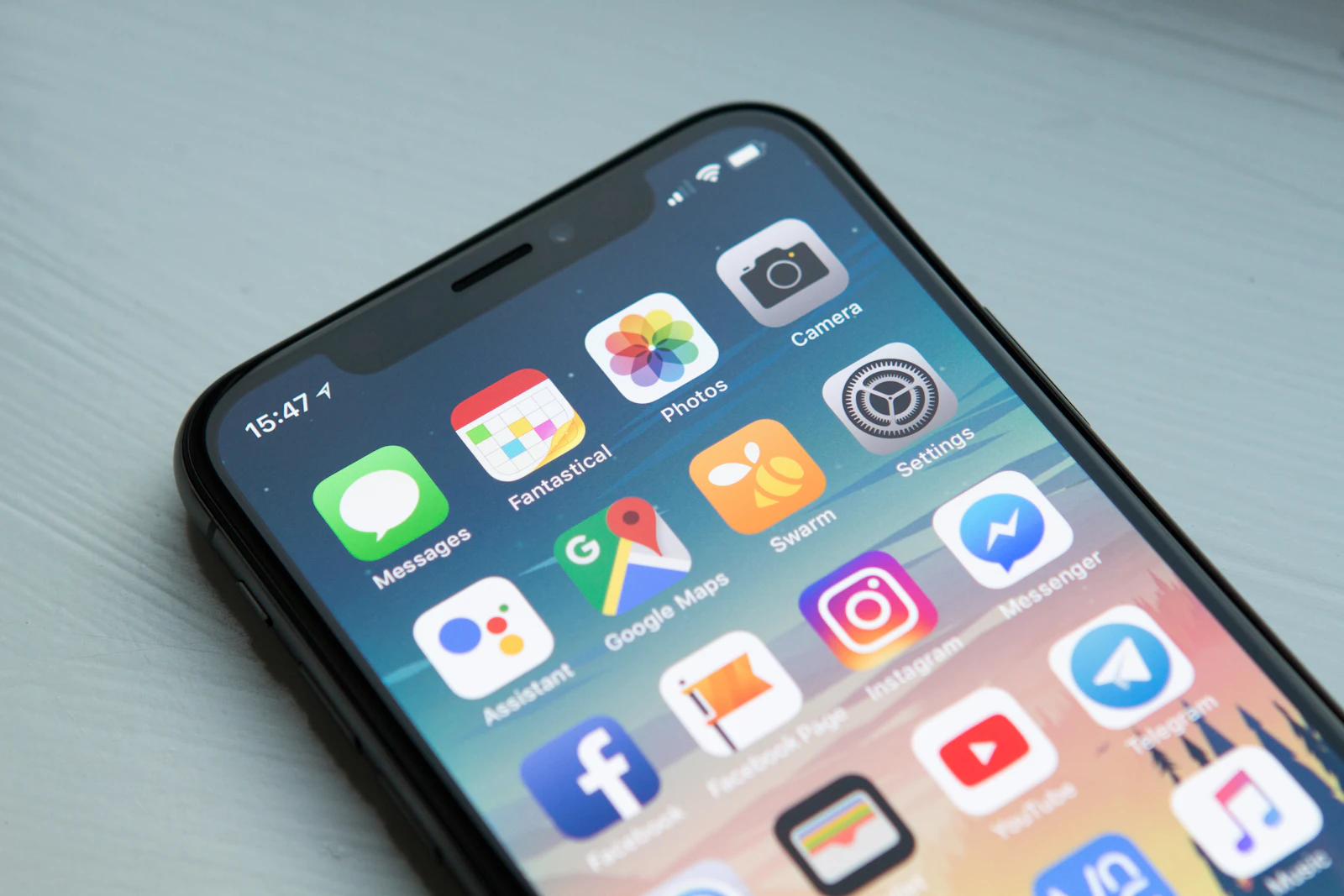


Startups and growing businesses often face this question: should we build a web application or a mobile app first? Building both at once doubles the effort, so choosing the right starting point matters.
Web Applications
A web app runs in the browser on any device.
- Pros: one codebase for all devices, no app store approvals, instant updates, easier to share via links, better for search visibility.
- Cons: limited access to some device features, no app icon on the home screen by default, push notifications are more limited on some platforms.
- Best for: dashboards, admin tools, B2B portals, SaaS products and anything used mainly on desktops.
Mobile Apps
Native or cross-platform apps installed from app stores.
- Pros: full access to device features such as camera, GPS, biometrics and offline storage, push notifications, home screen presence, better for frequent daily use.
- Cons: app store approval, users must install updates, higher cost for two platforms.
- Best for: consumer products used daily, field staff apps, delivery and tracking, and apps relying on device features.
Progressive Web Apps (PWAs)
A PWA is a web app that can be installed on the home screen, work offline to some extent and send notifications on supported devices.
- Pros: app-like experience with web economics.
- Cons: support varies by platform, especially on iOS.
- Best for: validating an idea quickly, or audiences reluctant to install apps.
Questions That Decide It
- Where are your users? Office desks or on the move?
- How often will they use it? Daily use favours apps.
- Do you need device features like GPS, camera or offline mode?
- How will users discover you? Search favours the web.
- What is your budget and timeline?
"Build where your users already are, and expand once you know what they value."
Common Patterns
- B2B SaaS: start with a web app, add mobile apps for specific roles later.
- Consumer marketplaces: often start with a mobile app, supported by a web presence.
- Field operations: mobile app for staff, web dashboard for managers.
- Startups validating an idea: a web app or PWA first, mobile app after traction.
Sharing the Backend
Plan your backend and APIs so that web and mobile apps use the same services. This makes adding the second platform faster and cheaper.
Common Questions
Can a web app later become a mobile app? Yes. If the backend and APIs are designed well, mobile apps can be added later using the same data and business logic. Some teams also wrap a web app as a PWA first to test demand.
Do users still download apps? For services they use frequently, yes. For occasional tasks, many users prefer a website rather than installing another app. Consider how often your customers will interact with you.
Which is cheaper to maintain? A single web app is generally cheaper to maintain than separate Android and iOS apps. Cross-platform mobile frameworks reduce the gap, but app store updates and device testing still add effort.
Is a PWA good enough for business use? For many internal tools and simple customer experiences, a PWA works well. If you rely on advanced device features, background tasks or consistent iOS behaviour, a native or cross-platform app is safer.
How ITELLIC Helps
We build web applications, Android and iOS apps and cross-platform apps on shared backends, and help you decide what to launch first based on your users and budget.
Web Application Development
Web applications built around how your business works.